top of page
.png)
Quotes by Philosopher


"Obstinacy is the result of the will forcing itself into the place of the intellect."


36

"In every phenomenon the beginning remains always the most notable moment."
36
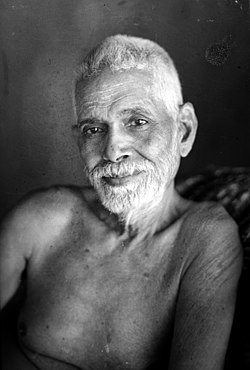
"The degree of freedom from unwanted thoughts and the degree of concentration on a single thought are the measures to gauge spiritual progress."
36


"I hear from afar the shouts of that false wisdom which is ever dragging us onwards, counting the present as nothing, and pursuing without pause a future which flies as we pursue, that false wisdom which removes us from our place and never brings us to any other."
36
"Surrendering: The act of giving yourself entirely to a new self, and then let go of your personal freedom for the achievement of something greater than you had before, a new you, a new self, envisioned and designed by yourself. Surrendering, to a God or to a Dream, or to both, is the ultimate act of designing your new future and then letting go the present reality to live that dream. It is, indeed, the creation of a virtual reality in which one will find himself present, after detaching from the previous reality, which will then become virtual by default. Because, as one cannot surrender without accepting, one cannot get without letting go. And so, when one surrenders entirely, he becomes entirely new."
36

"Obscenity is whatever happens to shock some elderly and ignorant magistrate."
36

"Life has obliged him to remember so much useful knowledge that he has lost not only his history, but his whole original cargo of useless knowledge; history, languages, literatures, the higher mathematics, or what you will - are all gone."
36
"In the intellectual order, the virtue of humility is nothing more nor less than the power of attention."
36

"The liberally educated person is one who is able to resist the easy and preferred answers, not because he is obstinate but because he knows others worthy of consideration."
36
"For a man who no longer has a homeland, writing becomes a place to live."
36
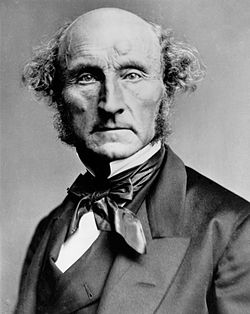
"All students of man and society who possess that first requisite for so difficult a study, a due sense of its difficulties, are aware that the besetting danger is not so much of embracing falsehood for truth, as of mistaking part of the truth for the whole. It might be plausibly maintained that in almost every one of the leading controversies, past or present, in social philosophy, both sides were in the right in what they affirmed, though wrong in what they denied; and that if either could have been made to take the other's views in addition to its own, little more would have been needed to make its doctrine correct."
36
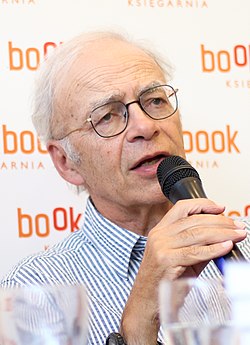
"My work is based on the assumption that clarity and consistency in our moral thinking is likely, in the long run, to lead us to hold better views on ethical issues."
36
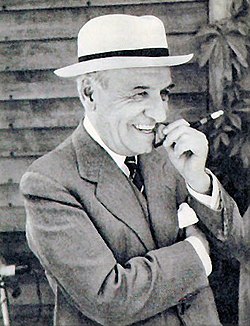
"To rule is not so much a question of the heavy hand as the firm seat."
36


"The mood in which my book was conceived and executed, was in fact to some extent a passing one."
Fact,
36
"As for those who spite you, and seemingly just because, it's only evident that they're learning from you. Maybe you taste bad - kind of like medicine, kind of like truth - and to them, you're thought unsafe. There is flattery in being chewed out and spit up. Humans have always had a hard time digesting foreign things."
36
"People demand freedom of speech as a compensation for the freedom of thought which they seldom use."
36
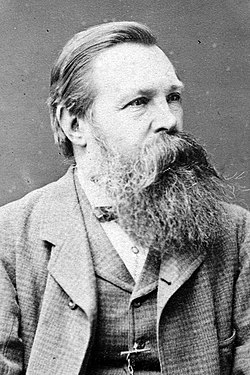
"Everything must justify its existence before the judgment seat of Reason, or give up existence."
36

"Religion is not a popular error; it is a great instinctive truth, sensed by the people, expressed by the people."
36
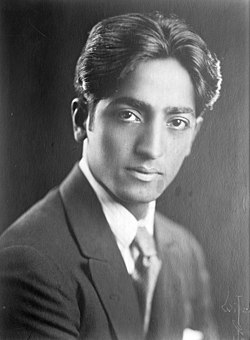
"It is only in virtue that you can discover, that you can live - not in the cultivation of a virtue, which merely brings about respectability, not understanding and freedom."
36

"The pinafore of the child will be more than a match for the frock of the bishop and the surplice of the priest."
Will,
36

"Live with playfulness, and life will become a celebration."
36

"The preservation of health is a duty. Few seem conscious that there is such a thing as physical morality."
36
"Quality is decided by the depth at which the work incorporates the alternatives within itself, and so masters them."
36
"The disembodied spirit is immortal; there is nothing of it that can grow old or die. But the embodied spirit sees death on the horizon as soon as its day dawns."
36
"Ignorance is the primary source of all misery and vice."
36
"The wise man must remember that while he is a descendant of the past, he is a parent of the future."
36
"Religion is no more possible without prayer than poetry without language, or music without atmosphere."
36

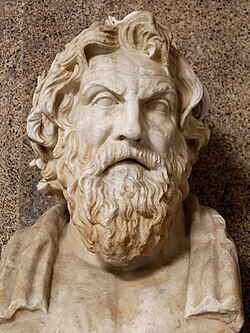
"Quarrels often arise in marriages when the bridal gifts are excessive."
36
"The word mother must be replaced with the word extraordinary because they precisely are!"
36

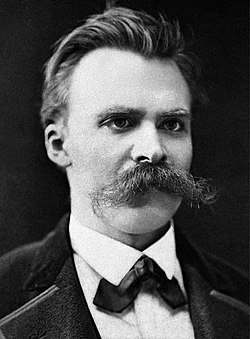
"Convictions are more dangerous enemies of truth than lies."
36
"In all three cases, and for most human beings, the problem of suffering poses no difficult problem at all: one has a world picture in which suffering has its place, a world picture that takes suffering into account."
36
"Nature is the mother and the habitat of man, even if sometimes a stepmother and an unfriendly home."
36
"A wise man proportions his belief to the evidence."
36
"The moment you compare yourself with another, you become inferior or superior."
36
"It is by a wise economy of nature that those who suffer without change, and whom no one can help, become uninteresting. Yet so it may happen that those who need sympathy the most often attract it the least."
36
"One who enjoys finding errors will then start creating errors to find."
36
"In a crowd do not lose your individuality, and in your individuality do not lose the crowd."
36
"Being divorced does not necessarily make one's advice on marriage useless - or useful."
36
"A tree is naked, no matter how big, if it does not have leaves."
36
"When one has once fully entered the realm of love, the world - no matter how imperfect - becomes rich and beautiful, it consists solely of opportunities for love."
36
"If you try to extinguish the light of one who shines like the sun you will get burned."
36

"I class the principle of moral feeling under that of happiness, because every empirical interest promises to contribute to our well-being by the agreeableness that a thing affords, whether profit be regarded."
36
"Still today, I cannot cross the threshold of a teaching institution without physical symptoms, in my chest and my stomach, of discomfort or anxiety. And yet I have never left school."
36
"Not what we have But what we enjoy, constitutes our abundance."
36
"A love letter can be very short or it can be long; it can be literary or non-literary; it can be bright or dark, cheerful or tragic. But above all, for a love letter to be a love letter it must be sincere!"
36
bottom of page