top of page
.png)

Exlpore more Criticism quotes


"They were the sort who berated a man for meddling and chased him away, then berated him again for not being there when he was needed. Not that they would admit he was needed, even then, not them. Raise a hand to help and you were interfering, do nothing and you were an un-trustworthy wastrel."
"Ol, ol you have learnt something new, didn't you??So you are saying it again and again with smile like we are an idiots, but my question is did you understand it? Do you know what did you said, so you big peace of shit say something more to impress us, because this doesn't impress us."
"Criticism always produces negative reactions, but appreciation always creates positive actions."
"Even the slightest criticism of others is an impediment (hindrance) to Absolute Knowledge (Kevalgnan, Absolute Enlightenment). It also hinders Atmagnan (Knowledge of the Self), also hinders Samkit (Self-realization)."
"When I see the promotion of nighttime street lighting to the masses, I realize the great level of incompetence that is present in governments, human health and the biological effects of light."
"So, two cheers for Democracy: one because it admits variety and two because it permits criticism."
Explore more quotes by Goldwin Smith
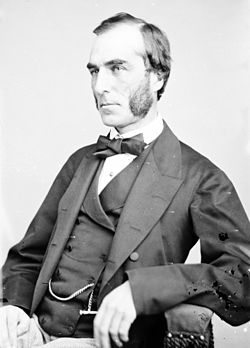
"There is a spell in mediaeval Art which has had power to bewitch some people into trying, or wishing to try, or fancying that they wish to try or making believe to fancy that they wish to try, to bring back the Middle Ages."
"Who can doubt that between the English and the French, between the Scotch and the Irish, there are differences of character which have profoundly affected and still affect the course of history?"
"Yet for my part, deeply as I am moved by the religious architecture of the Middle Ages, I cannot honestly say that I ever felt the slightest emotion in any modern Gothic church."
"The materials of the novelist must be real; they must be gathered from the field of humanity by his actual observation."
"Every one who has a heart, however ignorant of architecture he may be, feels the transcendent beauty and poetry of the mediaeval churches."
"The natural barriers between England and Scotland were not sufficient to prevent the extension of the Saxon settlements and kingdoms across the border."
bottom of page