top of page


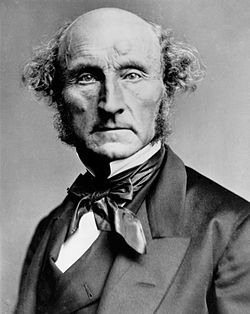
"I have a hundred times heard him say, that all ages and nations have represented their gods as wicked, in a constantly increasing progression; that mankind have gone on adding trait after trait till they reached the most perfect conception of wickedness which the human mind could devise, and have called this God, and prostrated themselves before it."
Standard
Customized

Exlpore more Philosophy quotes

"Life is an intricate play with actors waiting for an explanation. Each added act confers a new interpretation of the story. ['Waiting for the pieces to fall into place']"
"And the great owners, who had become through the might of their holdings both more and less than men."
"Something has happened to our intelligence. My reasoning is this: arrangements of part of the Brain is a language. We are parts of the Brain; therefore, we are language. Why, then, do we not know this?"
"It seems quite pointless to waste health relentlessly in order to earn money that we shall spend on recovering health."
"And it never failed that during the dry years the people forgot about the rich years, and during the wet years they lost all memory of the dry years. It was always that way."
"The mind-is not the heart.I may yet live, as I know others live,To wish in vain to let go with the mind-Of cares, at night, to sleep; but nothing tells meThat I need learn to let go with the heart."
"Fire and IceSome say the world will end in fire,Some say in ice.From what I've tasted of desireI hold with those who favor fire.But if it had to perish twice,I think I know enough of hateTo say that for destruction iceIs also greatAnd would suffice."
"TO BE is life's dilemma while facing the eternity of death."
"We must not learn to try harder. The key is to learn how not to try in the first place."
"At such a time it seems natural and good to me to ask myself these questions. What do I believe in? What must I fight for and what must I fight against?"
Explore more quotes by John Stuart Mill
"All the moralities tell them that it is the duty of women, and all the current sentimentalities that it is their nature, to live for others; to make complete abnegation of themselves, and to have no life but their affections. - The Subjection of Women."
"It is an adherent condition of human affairs that no intention, however sincere, of protecting the interests of others can make it safe or salutary to tie up their own hands. Still more obviously true is it, that by their own hands only can any positive and durable improvement of their circumstances in life be worked out."
"The idea that truth always triumphs over persecution is one of those pleasant falsehoods, which most experience refutes. History is teeming with instances of truth put down by persecution. If not put down forever, it may be set back for centuries."
"Judgment is given to men that they may use it. Because it may be used erroneously, are men to be told that they ought not to use it at all? To prohibit what they think pernicious is not claiming exemption from error, but fulfilling the duty incumbent on them, although fallible, of acting on their conscientious conviction. If we were never to act on our opinions, because those opinions 'lay be wrong, we should leave all our interests uncared for, and all our duties unperformed. An objection which applies to all conduct can be no valid objection to any conduct in particular."
"The assumption that we are infallible can we justify the suppression of opinions we think false. Ages are as fallible as individuals, every age having held many opinions which subsequent ages have deemed not only false but absurd."
"Truth gains more even by the errors of one who, with due study and preparation, thinks for himself, than by the true opinions of those who only hold them because they do not suffer themselves to think."
"Human beings are no longer born to their place in life, and chained down by an inexorable bond to the place they are born to, but are free to employ their faculties, and such favourable chances as offer, to achieve the lot which may appear to them most desirable."
"Religion, the most powerful of the elements which have entered into the formation of moral feeling, having almost always been governed either by the ambition of a hierarchy, seeking control over every department of human conduct, or by the spirit of Puritanism."
"It is questionable if all the mechanical inventions yet made have lightened the day's toil of any human being."
bottom of page