.png)
Sylvester Stallone: From Homelessness to Hollywood Hero
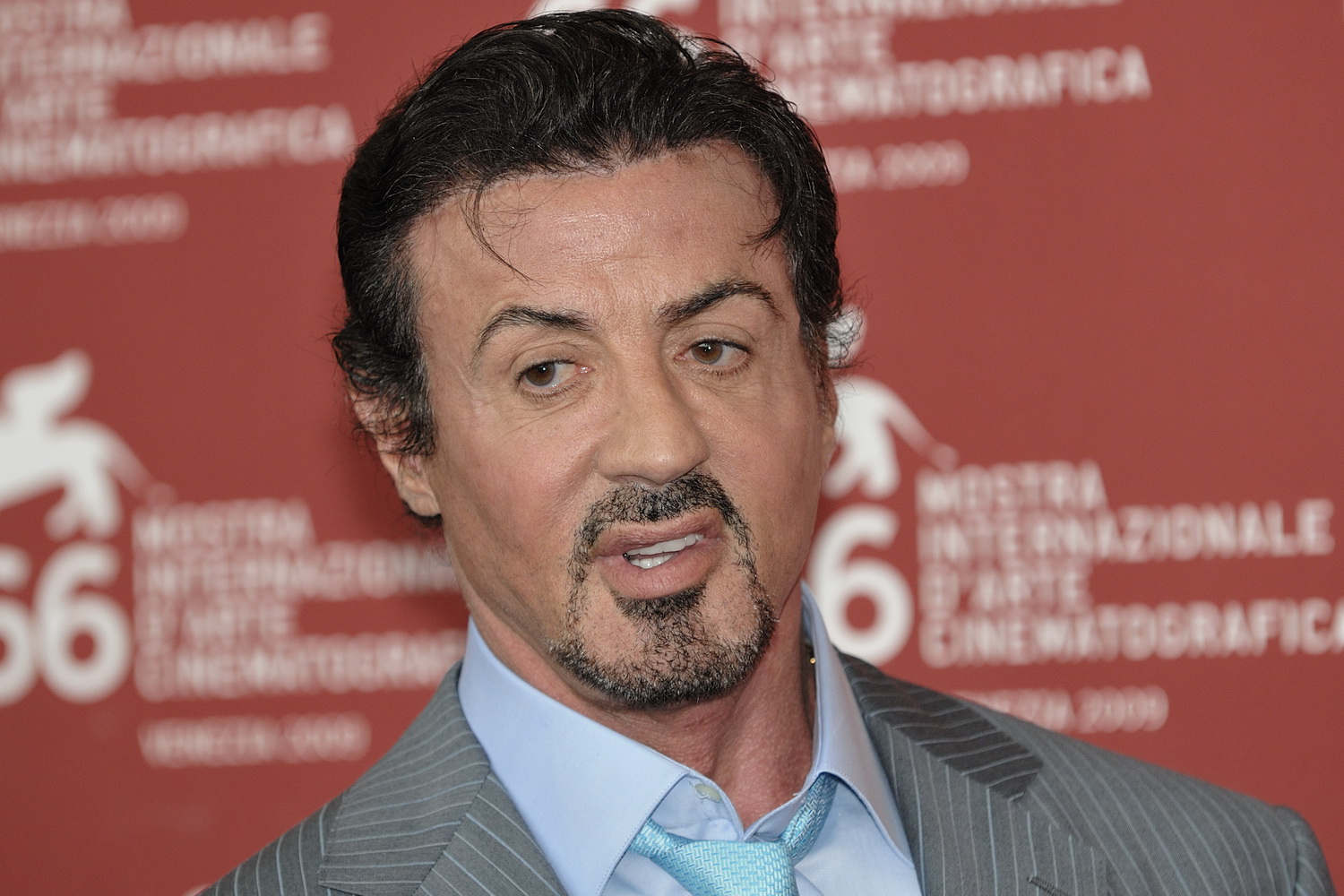
In the bustling streets of Hell's Kitchen, New York City, on July 6, 1946, a baby boy was born under challenging circumstances. Due to complications during delivery, the doctors had to use forceps, which accidentally severed a nerve, leaving the lower left side of his face paralyzed. This gave him his now-famous snarling look and slightly slurred speech. That baby was Sylvester Stallone, who would later become one of Hollywood's most iconic actors.
Growing up wasn't easy for young Stallone. His partial facial paralysis made him an easy target for bullies and he spent much of his childhood moving between foster homes due to his parents' troubled marriage. His distinctive speech impediment made school particularly challenging and teachers often labelled him as "mentally challenged."
Despite these early setbacks, Stallone discovered his passion for acting while attending the American College of Switzerland. He returned to the United States to study drama at the University of Miami, but left before graduating to pursue his dreams in New York City.
In the early 1970s, Stallone moved to New York with a few dollars in his pocket and big dreams in his heart. He took whatever jobs he could find – cleaning lion cages at the Central Park Zoo, ushering at movie theatres and even appearing in a soft-core adult film when he was completely broke and homeless. At one point, he even had to sell his beloved dog, Butkus, because he couldn't afford to feed him.
The turning point in Stallone's life came after watching the Muhammad Ali vs. Chuck Wepner fight in March 1975. Inspired by the underdog story, he went home and wrote the screenplay for "Rocky" in just three and a half days. The story poured out of him, fuelled by his own experiences as an underdog fighting against the odds.

When he tried to sell the screenplay, Stallone faced his biggest challenge yet. Several studios were interested, offering up to $360,000 for the script (equivalent to over $1.7 million today). However, they wanted to cast a well-known actor in the lead role. Stallone refused, insisting that he play Rocky Balboa himself.
He stood firm despite being nearly broke, with just $106 in his bank account and no furniture in his apartment. Finally, producers Irwin Winkler and Robert Chartoff agreed to let him star in the film, but with a much lower budget of just $1 million and Stallone accepting a minimal salary of $23,000.
"Rocky" was released in 1976 and became an unexpected phenomenon. Made on a modest budget, the film earned over $225 million worldwide and won three Academy Awards, including Best Picture. Stallone was nominated for both Best Actor and Best Original Screenplay, joining Charlie Chaplin and Orson Welles as the only people nominated for acting and writing in the same year.
With his first major paycheck, Stallone did something remarkable – he went back to find the man he'd sold his dog to and bought Butkus back for $15,000, much more than he'd sold him for. This story itself became a symbol of his determination and eventual success.
Following "Rocky's" success, Stallone continued to build his career. He created another iconic character in John Rambo, starring in "First Blood" (1982) and its sequels. Between the Rocky and Rambo franchises, Stallone became one of Hollywood's highest-paid actors and a global action star.
His success wasn't without setbacks. He faced criticism for his acting style and had several box office failures. However, Stallone's resilience helped him bounce back each time. He continued to write, direct and produce, taking control of his creative destiny.
Beyond his professional struggles, Stallone faced personal challenges. His eldest son, Sage, passed away in 2012, a devastating loss that he channelled into his later performances. He's been married three times and has faced public scrutiny throughout his career.

In 2015, Stallone returned to his Rocky character in "Creed," this time as a mentor. His performance earned him his first Golden Globe win and another Academy Award nomination, proving that talent and persistence can bring success at any age.
Key Achievements:
• Three Academy Award nominations
• One Golden Globe win
• Created two of cinema's most iconic characters
• Written multiple successful screenplays
• Directed eight films
• Generated billions in box office revenue
Sylvester Stallone's journey from struggling actor to Hollywood icon imparts several valuable lessons that resonate with many. His story exemplifies the importance of never giving up on your dreams, regardless of how unattainable they may seem. Stallone faced numerous rejections and hardships, including a period of homelessness, yet he persevered and ultimately wrote the screenplay for "Rocky" in just three days, believing in himself when few others did.
He stood firm for what he believed in, refusing to sell the script unless he could star in the film, showcasing his commitment to his vision. Stallone's success came after years of hard work and struggle, illustrating that success often follows our toughest battles. Finally, his career has seen multiple comebacks, proving that it's never too late for a comeback, as evidenced by his return to the spotlight with roles in films like "Creed." Through his experiences, Stallone teaches us the value of resilience and self-belief.
What makes Stallone's story particularly inspiring is how closely it parallels Rocky Balboa's. Both were underdogs who refused to give up, fought against the odds and eventually achieved their dreams through sheer determination and hard work.
"Success is usually the culmination of controlling failure." - Sylvester Stallone, American Actor

Today, Stallone continues to work in Hollywood, still creating and starring in films well into his 70s. He's expanded into painting and has become an inspiration for multiple generations of actors and filmmakers. His story reminds us that success often comes to those who refuse to compromise on their dreams. From a struggling actor who couldn't afford to feed his dog to one of Hollywood's most successful stars, Stallone's journey embodies the American Dream.
Stallone often shares his philosophy on success: "I am not the richest, smartest, or most talented person in the world, but I succeed because I keep going and going and going." This persistence has defined his career and life.
The impact of Stallone's work extends beyond entertainment. Rocky Balboa became a symbol of perseverance, with the famous steps of the Philadelphia Museum of Art becoming a tourist attraction and a metaphor for overcoming challenges. His films have inspired countless people to pursue their dreams despite obstacles.
Even now, Stallone continues to influence popular culture. His story of writing his own ticket to success has inspired many actors and filmmakers to create their own opportunities rather than waiting for them. As Rocky Balboa would say, "It ain't about how hard you hit. It's about how hard you can get hit and keep moving forward."
If you enjoyed this article about Sylvester Stallone and found inspiration in his remarkable journey, we would love to hear your thoughts! Please take a moment to leave a comment below, sharing your insights or favourite lessons from his story. If you think others could benefit from these valuable lessons, don’t hesitate to like and share this article with your friends and family. Your support helps us reach more readers and spread positivity! Thank you for being part of our community!


